
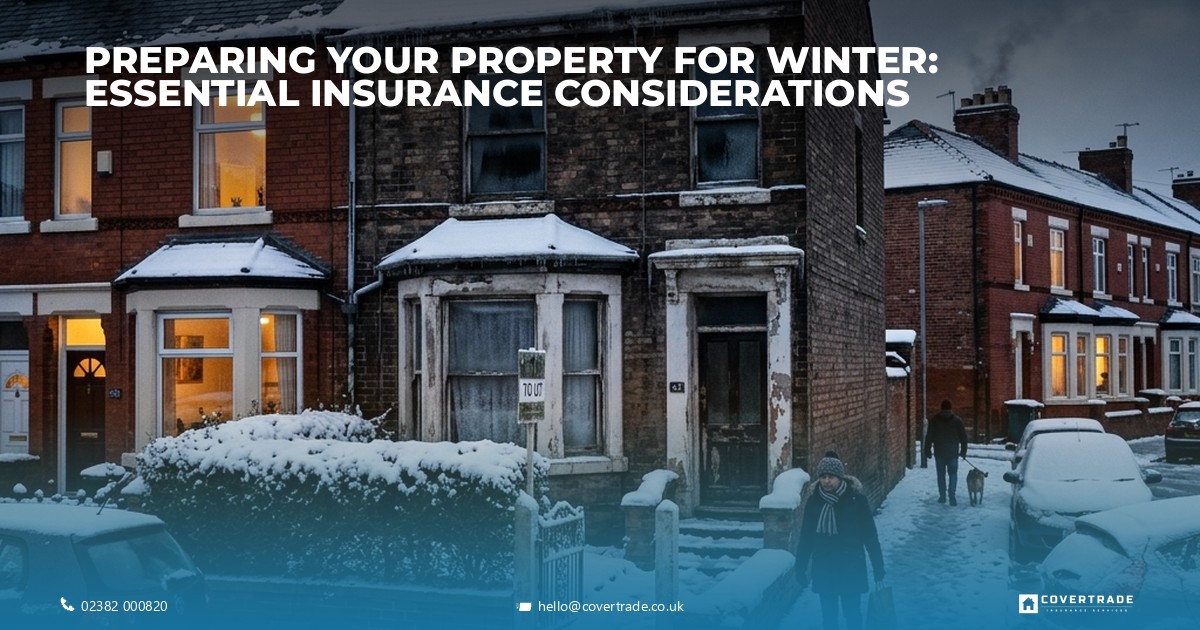
Preparing your property for winter in the UK involves more than just physical maintenance; it requires a thorough review of your insurance needs. Winter poses unique risks such as burst pipes, snow damage, and increased liability claims. Ensuring your insurance is adequate helps protect your assets from potential financial setbacks.
Understanding Winter Risks for Properties
Winter weather in the UK can lead to several challenges for property owners. Common issues include roof damage from heavy snow, water damage from burst pipes, and increased slip-and-fall accidents due to icy conditions. These risks highlight the importance of having comprehensive insurance coverage that addresses these specific hazards.
Roof and Structural Damage
Heavy snowfall and ice can cause significant damage to the roof and structure of properties. It's crucial to ensure your commercial combined insurance or residential property insurance includes cover for such events. Regular maintenance checks and timely repairs can also mitigate these risks.
Water Damage from Burst Pipes
Burst pipes are a common winter issue, often leading to extensive water damage. This type of damage can be costly, disrupting operations and requiring significant repairs. Ensure your property insurance covers water damage and consider additional protection through property owners insurance. For unoccupied properties, keeping the heating system maintained and pipes insulated is crucial to prevent freezing. Often, maintaining a minimum heating level is an endorsement in your policy, so check the policy wording to ensure compliance.
Increased Liability Risks
Winter conditions can increase the risk of accidents on your property, such as slips and falls. Your public liability insurance should provide adequate cover for these incidents, protecting you against potential claims from visitors.
Essential Insurance Cover for Winter
Reviewing and updating your insurance policy before winter can help ensure you have the necessary protection. Consider these essential covers:
- Buildings Insurance: Covers the structure of your property against risks like snow and ice damage.
- Contents Insurance: Protects the contents within your property from damage or loss due to events like floods or burst pipes.
- Business Interruption Insurance: Provides cover for lost income if your business operations are disrupted due to insured events like severe weather.
- Unoccupied Property Insurance: Essential for properties left vacant, covering risks like vandalism and damage from frozen pipes.
Practical Steps to Winter-Proof Your Property
Taking proactive steps to winter-proof your property can prevent damage and reduce insurance claims. Key actions include:
- Inspecting and repairing roofs to withstand snow and ice.
- Insulating pipes to prevent freezing and bursting.
- Clearing gutters and drains to avoid blockages and water damage.
- Ensuring proper heating and ventilation to maintain a safe environment.
- For unoccupied properties, maintaining a minimum heating level and regular checks to detect issues early.
Cost Considerations for Winter Insurance
Insurance premiums for properties can vary based on several factors, including location, building age, and claims history. It's essential to tailor coverage to meet specific needs, ensuring adequate protection against winter risks without unnecessary costs.