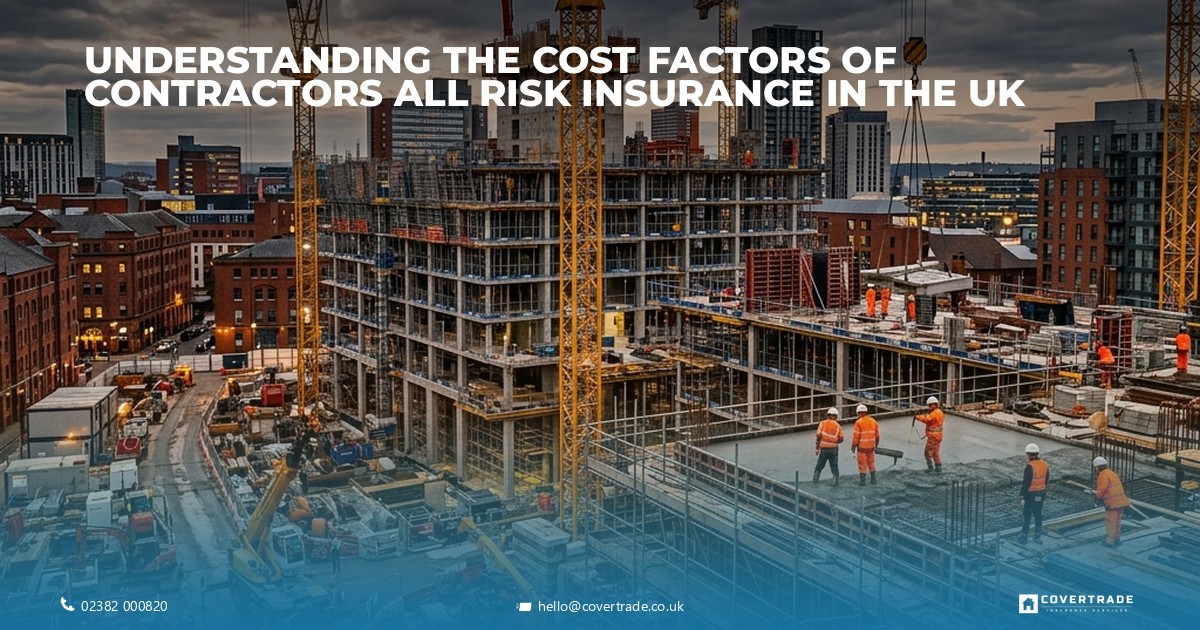
The cost of Contractors All Risk (CAR) Insurance in the UK is influenced by several key factors including project size, location, and the specific risks associated with the construction work. Understanding these elements can help contractors budget effectively and ensure adequate coverage.
Project Size and Value
The size and value of a construction project are primary determinants of CAR insurance costs. Larger projects typically involve greater risks and therefore demand higher premiums. The replacement cost of materials and labour also contributes significantly to the overall insurance cost. For example, a multi-storey commercial building will attract a higher premium compared to a single-storey residential extension.
Location of the Project
The location of a project can heavily influence insurance costs. Projects in urban areas or regions prone to adverse weather conditions may incur higher premiums due to increased risks of damage or theft. Insurers assess the geographic risk factors, such as flood zones or areas with high crime rates, which can affect the likelihood of claims.
Type of Construction and Methods Used
The construction methods and materials used also impact the cost of CAR insurance. Non-standard construction methods or materials, such as timber frames instead of steel, can lead to higher premiums due to increased fire risk. Similarly, innovative or new construction techniques might not be well understood by insurers, resulting in cautious pricing.
Claims History and Risk Management
A contractor's claims history significantly affects premium costs. A history of frequent or large claims can increase premiums, as it suggests a higher risk of future claims. Implementing robust risk management strategies, such as regular site inspections and safety training, can help mitigate risks and potentially reduce insurance costs.
Policy Limits and Excess Levels
The chosen policy limits and excess levels will also influence the cost of CAR insurance. Higher policy limits provide greater coverage but result in higher premiums. Conversely, opting for a higher excess can lower premiums but increases out-of-pocket expenses in the event of a claim.
Duration of the Project
Longer projects may attract higher premiums as they are exposed to risks over an extended period. Insurers consider the duration of exposure when calculating premiums, so it's crucial to provide accurate timelines when applying for coverage.
Frequently Asked Questions
What is Contractors All Risk Insurance?
Contractors All Risk Insurance is designed to cover property damage and third-party injury or damage claims during construction projects. It typically includes coverage for the cost of repairing or replacing the construction work in progress.
How can I reduce my Contractors All Risk Insurance costs?
Implementing effective risk management practices, maintaining a clean claims history, and choosing appropriate policy limits and excess levels can help reduce insurance costs. Consulting with a broker like CoverTrade Insurance Services can also identify the most cost-effective coverage options.
Why does project location affect insurance costs?
Project location affects insurance costs due to varying risks such as natural disasters, crime rates, and logistical challenges specific to the area. Insurers assess these risks to determine the likelihood of claims.
Does the type of construction affect the premium?
Yes, the type of construction and materials used can affect premiums. Non-standard methods or materials that pose higher risks, such as fire or structural instability, typically result in higher insurance costs.