
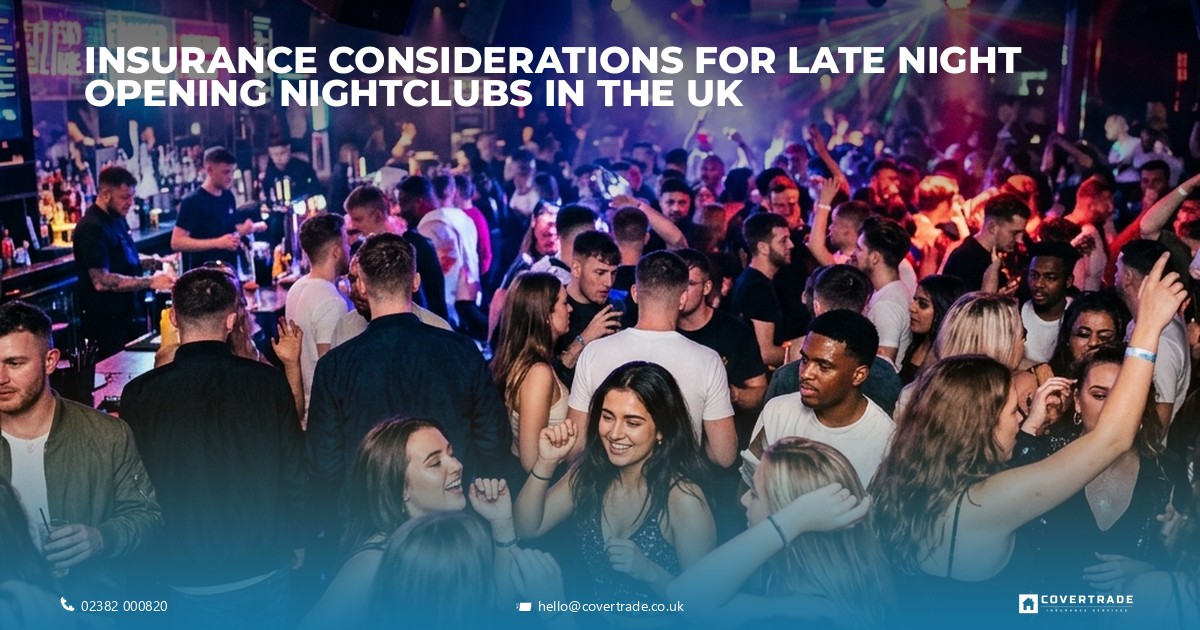
Insurance for late night nightclubs in the UK must address the unique risks associated with extended operating hours. Key considerations include public liability, employers' liability, property damage, and business interruption cover. Understanding these elements can help nightclub owners make informed decisions about their insurance needs.
Public Liability Insurance for Nightclubs
Public liability insurance is essential for nightclubs, covering legal costs and compensation if a member of the public is injured or their property is damaged on the premises. Given the high foot traffic and potential for accidents, especially during late hours when patrons may be more inebriated, having adequate public liability cover is crucial. Policies typically start at £1 million, but higher limits are advisable for venues with large capacities.
Employers' Liability Insurance
Employers' liability insurance is a legal requirement for UK nightclubs that employ staff. This cover protects against claims from employees who may be injured or fall ill due to their work, particularly relevant in late night settings where fatigue and incidents are more likely. The statutory minimum is £5 million, but many policies provide up to £10 million. Nightclubs often employ a mix of permanent staff and casual workers, so it is important to ensure all are covered.
Property Insurance for Nightclubs
Property insurance protects the physical assets of a nightclub, including the building, fixtures, and fittings. This cover is vital for safeguarding against risks such as fire, flood, or vandalism, which can be more prevalent during late hours. The value of the property and contents should be accurately assessed to ensure sufficient coverage. Nightclubs often feature expensive sound and lighting equipment, which should be included in the policy.
Business Interruption Insurance
Business interruption insurance covers the loss of income if a nightclub is unable to operate due to an insured event, such as a fire or flood. This cover provides financial support to help pay ongoing expenses and protect profits during the downtime. It's important to assess the potential impact of such events, especially given the extended hours, and choose a policy with an appropriate indemnity period.
Factors Affecting Insurance Premiums
Several factors influence the cost of insurance for late night nightclubs in the UK. These include:
- Location: Nightclubs in high-crime areas may face higher premiums.
- Capacity: Larger venues typically require higher liability limits, increasing costs.
- Claims history: A history of claims can lead to increased premiums.
- Security measures: Effective security can reduce risks and potentially lower premiums.
On our own book, the premiums for nightclubs vary significantly based on these factors.